Body Recomposition: How to Lose Fat and Gain Muscle Together
Learn how body recomposition helps you lose fat and gain muscle at the same time with the right workout plan, nutrition strategy, and recovery approach.
3/3/20262 min read
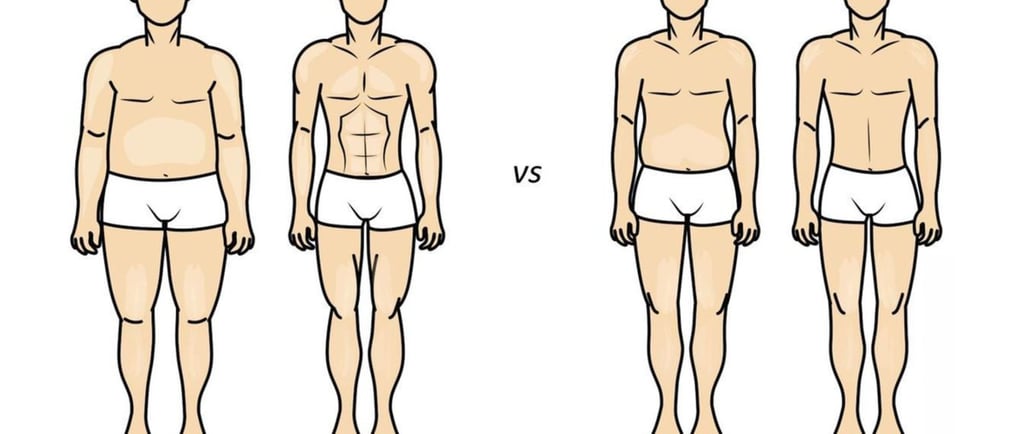
For years, fitness advice suggested you must choose between cutting fat or building muscle. However, body recomposition challenges that idea. With the right strategy, it is possible to lose body fat while simultaneously gaining lean muscle.
Instead of focusing only on the number on the scale, body recomposition emphasizes improving body composition - reducing fat percentage while increasing muscle mass.
What Is Body Recomposition?
Body recomposition refers to changing your body’s fat-to-muscle ratio. Unlike traditional “bulking and cutting” phases, this approach aims to:
Burn stored body fat
Build lean muscle mass
Improve strength
Enhance metabolism
The goal isn’t just weight loss - it’s building a stronger, leaner physique.
How Body Recomposition Works
To achieve body recomposition, three key elements must work together:
1. Strength Training
Resistance training is essential for stimulating muscle growth. Focus on:
Progressive overload
Compound movements (squats, deadlifts, presses)
3–5 strength sessions per week
Muscle growth signals your body to use stored fat as energy while preserving lean tissue.
2. Smart Nutrition Strategy
Nutrition plays a critical role in body recomposition.
Protein Intake:
High protein intake supports muscle repair and growth. Aim for adequate protein daily based on body weight and activity level.
Calorie Balance:
Instead of extreme calorie deficits, maintain a slight deficit or eat at maintenance while prioritizing protein and nutrient-dense foods.
Balanced Macros:
Include healthy fats and complex carbohydrates to fuel workouts and recovery.
3. Proper Recovery
Muscle grows during recovery, not during workouts. Ensure:
7–8 hours of sleep
Rest days between intense sessions
Stress management
Without proper recovery, muscle growth slows and fat loss becomes harder.
Who Can Benefit Most?
Body recomposition is especially effective for:
Beginners starting strength training
Individuals returning after a long break
Those with higher body fat percentages
People following structured training programs
Advanced athletes may require more specific calorie cycling strategies.
Common Mistakes to Avoid
Severe calorie restriction
Skipping strength training
Inconsistent workout routines
Not tracking progress
Ignoring protein intake
Sustainable progress requires consistency and patience.
How to Track Progress
Since the scale may not change dramatically, track:
Body measurements
Progress photos
Strength improvements
Body fat percentage
How clothes fit
Muscle weighs more than fat by volume, so visual changes often show before scale changes.
How Long Does It Take?
Visible changes typically begin within 6–12 weeks with consistent effort. However, results vary depending on starting point, diet, workout intensity, and recovery habits.
Consistency is the biggest factor in success.
Common Myths About Body Recomposition
Myth 1: You must bulk first.
Not always. Beginners and those returning to training can build muscle while losing fat.
Myth 2: Cardio is the fastest way to burn fat.
Strength training is more effective long-term for improving body composition.
Myth 3: Eating less is always better.
Undereating can slow metabolism and hinder muscle growth.
Final Thoughts
Body recomposition proves that you don’t always have to choose between losing fat and gaining muscle. With proper strength training, balanced nutrition, and adequate recovery, you can achieve both goals simultaneously.
Focus on long-term habits instead of quick fixes. Sustainable training and smart eating will reshape your body and improve overall health.
Fit Muscle Premium Fitness
Join us for premium fitness and wellness programs.
Contact Us
subscribe us to recieve special offers.!
+91 7406115566
Developed By Anudeep Hegde Marketed By Trip Nirvigna Marketing © 2024. All rights reserved.