Protein Myths and Facts: What Every Gym Member Should Know
Learn the truth about protein myths and facts. Fit Muscle explains how much protein you need and how it supports muscle growth and recovery.
1/19/20261 min read

Why Protein Is Important
Protein plays a vital role in muscle repair, growth, and overall body function. During workouts, muscles experience small tears that need protein to rebuild stronger. It also supports metabolism, immune health, and recovery after intense training sessions.
Common Protein Myths Debunked
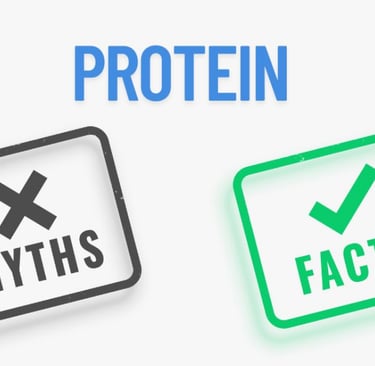
Myth 1: More Protein Means More Muscle
Fact: Consuming excessive protein does not automatically lead to bigger muscles. Muscle growth depends on proper training, balanced nutrition, and adequate rest. Excess protein is either stored as fat or excreted.
Myth 2: Protein Supplements Are Mandatory
Fact: Supplements are not essential for everyone. Whole food sources like eggs, chicken, fish, dairy, legumes, and nuts can provide sufficient protein when included in a balanced diet.
Myth 3: Protein Is Only for Bodybuilders
Fact: Protein is essential for everyone, including beginners, women, and older adults. It helps maintain muscle mass, supports weight management, and improves recovery for all fitness levels.
Myth 4: High Protein Diets Damage Kidneys
Fact: For healthy individuals, high-protein diets are generally safe. However, those with existing kidney conditions should consult a healthcare professional before increasing protein intake.
Protein Facts Every Gym Member Should Know
Protein supports muscle recovery and growth
Timing and distribution of protein intake matter
Quality of protein sources is more important than quantity
Combining protein with carbs improves post-workout recovery
How Much Protein Do You Really Need?
Protein requirements vary based on body weight, activity level, and fitness goals. On average:
Active individuals may need 1.2–2.0 grams per kg of body weight
Strength trainers may require higher intake for muscle recovery and growth
A fitness trainer or nutrition expert can help determine the right amount for your goals.
Best Protein Sources for Gym Members
Lean meats (chicken, turkey, fish)
Eggs and egg whites
Dairy products (milk, yogurt, paneer)
Plant-based sources (lentils, beans, tofu)
Protein shakes (as a convenient supplement)
Conclusion
Understanding protein myths and facts helps gym members make smarter nutritional choices. Protein is essential-but balance, quality, and consistency are what truly drive results. At Fit Muscle, we guide our members with the right fitness and nutrition knowledge to support sustainable strength and long-term health.
Fit Muscle Premium Fitness
Join us for premium fitness and wellness programs.
Contact Us
subscribe us to recieve special offers.!
+91 7406115566
Developed By Anudeep Hegde Marketed By Trip Nirvigna Marketing © 2024. All rights reserved.